What is Hardscaping? The Foundation of Outdoor Living
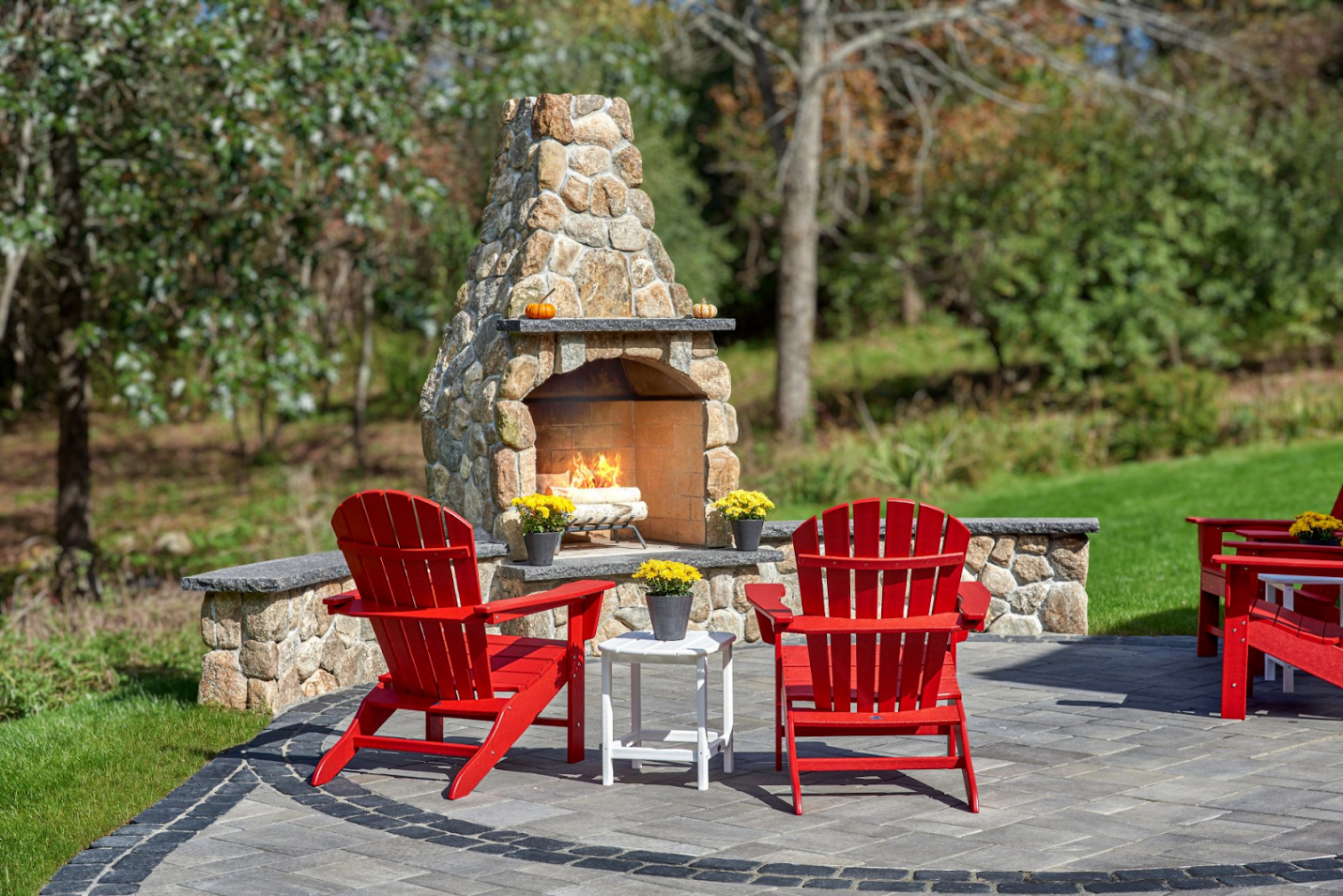
When designing an outdoor space, most people think first of landscaping — plants, trees and lawns. However, an equally critical component of any well-designed yard is hardscaping, which provides the structure, functionality and definition that brings the entire space together.
By understanding the role of hardscaping, you can create an outdoor environment that is not only visually appealing but also highly functional, structurally sound and built for long-term performance.
What Is Hardscaping and What Are Its Benefits?
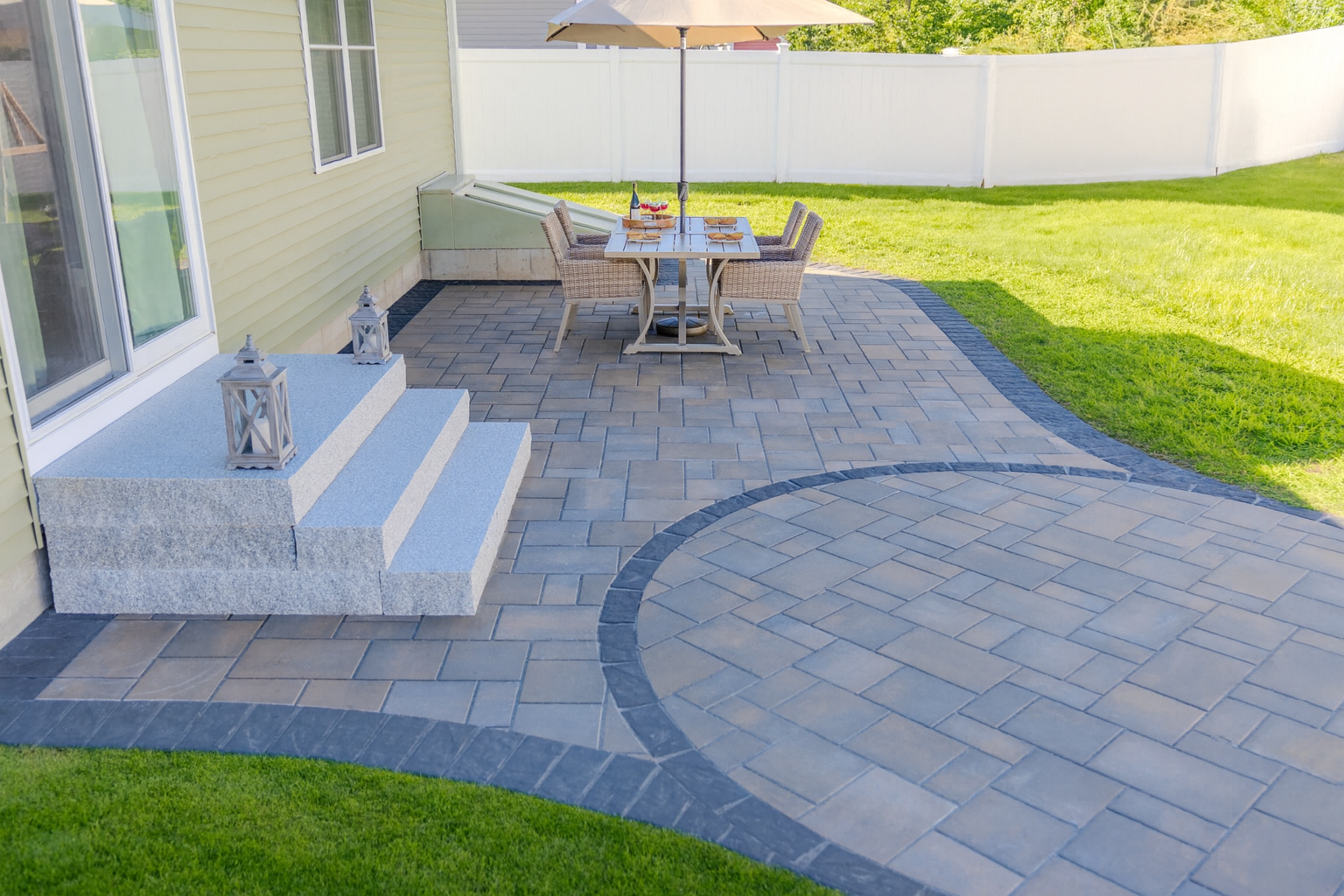
Hardscaping refers to the non-living, structural components of landscape design, typically constructed from durable materials such as stone, concrete or brick. It’s the “hard” side of landscaping, contrasted with the “soft” greenery, such as plants, shrubs, trees, flowers, mulch and grass.
From patios, driveways and walkways to retaining walls, outdoor kitchens and fire features, hardscaping shapes how people move, gather and enjoy outdoor spaces.
Blending durability, functionality and design, it offers a range of practical and aesthetic advantages, including:
- Durability: Properly installed hardscape features can last for generations.
- Low Maintenance: Unlike lawns or gardens, hardscaping requires minimal upkeep.
- Increased Property Value: Outdoor living spaces are a sought-after feature for homebuyers. They can also increase property value when high-quality products and proper installation are utilized.
- Functionality: Patios, walkways and walls make outdoor spaces more usable and accessible.
- Design Balance: Hardscaping complements the style of your home and creates form and contrast to highlight the natural beauty of landscaping.
Key Components of Hardscaping
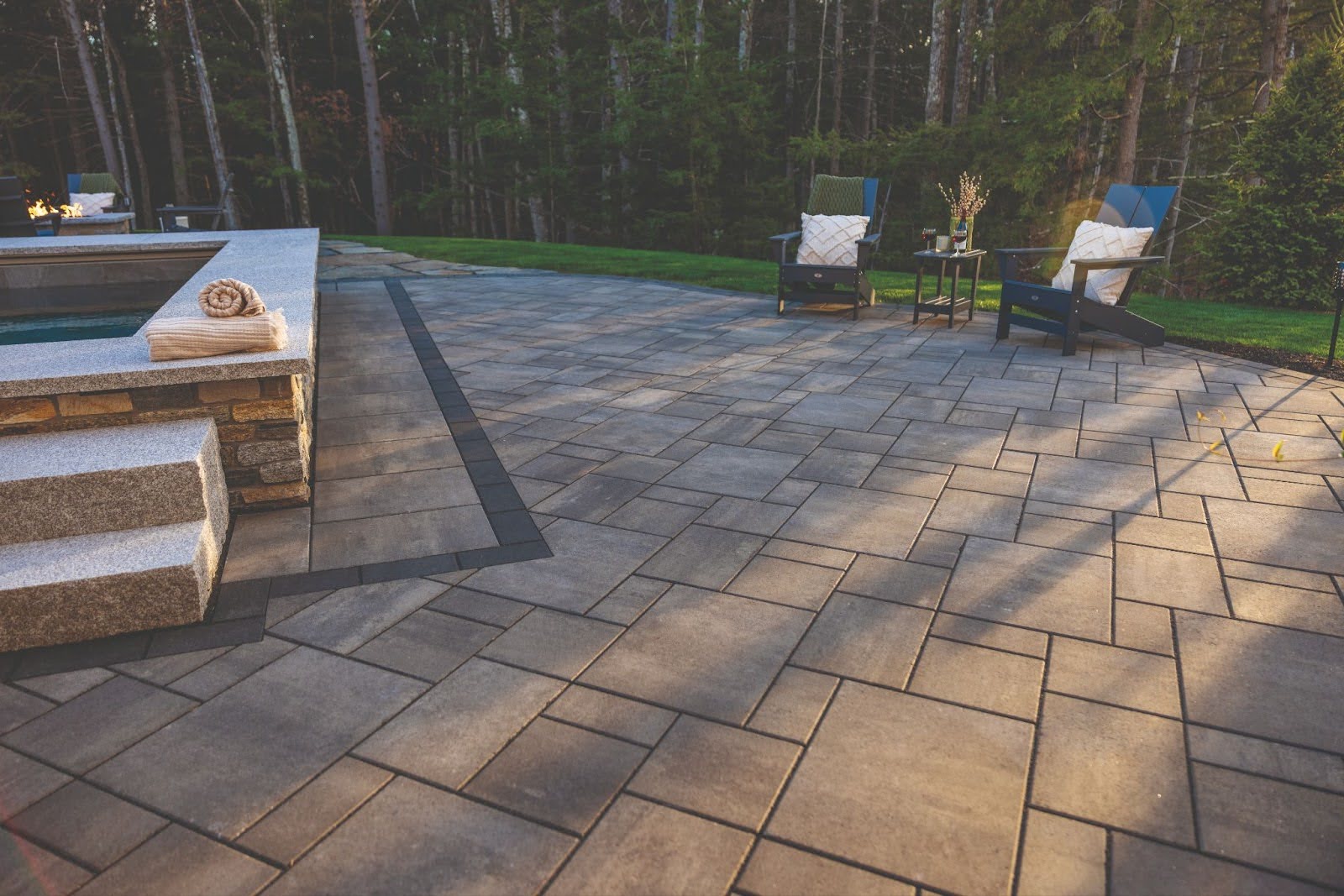
When designing an outdoor living space, it’s essential to consider the foundational elements that provide both structure and aesthetic cohesion.
This includes key hardscaping components such as patios, walkways, retaining walls, driveways, pathways, outdoor kitchens and fire features, each of which plays a critical role in defining the layout, flow and functionality of the overall design.
Patios and Walkways
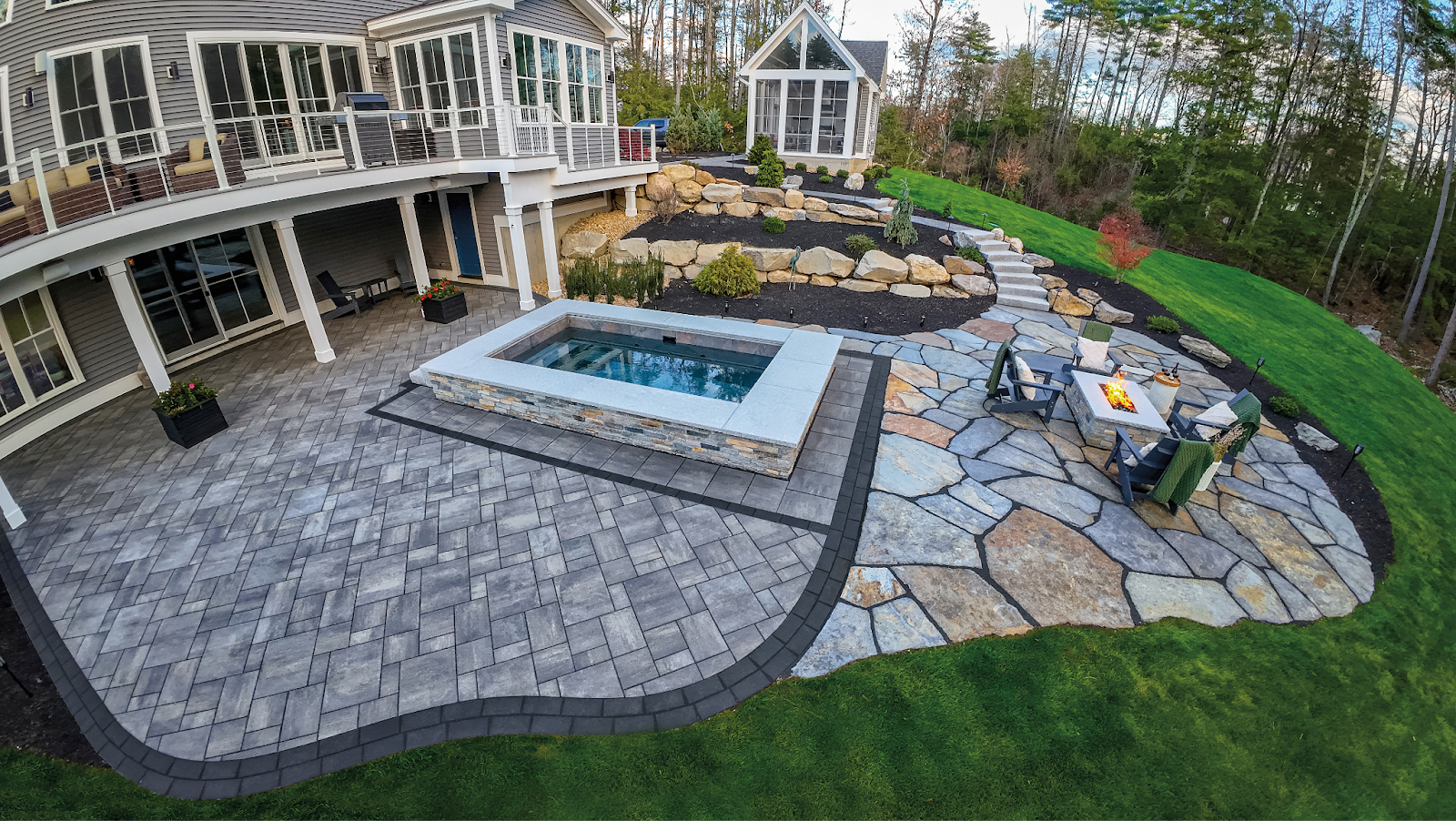
Patios serve as the central hub for outdoor living, whether for dining, relaxing or entertaining guests.
Walkways, on the other hand, create purposeful connections between different areas of your yard, guiding movement and protecting lawns and soil from foot traffic damage. In essence, patios anchor gathering spaces, while walkways facilitate movement through the property.
Retaining Walls
When your yard includes changes in elevation, retaining walls are essential. They stabilize soil, mitigate erosion, improve drainage and can also serve dual purposes such as seating walls, raised planting beds or pillars, providing definition and form to the landscape and property lines.
When constructed with the appropriate materials and design considerations, retaining walls deliver both structural performance and strong visual impact.
Segmental retaining wall systems are engineered for durability and load-bearing strength. Designed for “dry-stack” mortarless installation, these systems offer installation efficiency while maintaining structural integrity.
Driveways
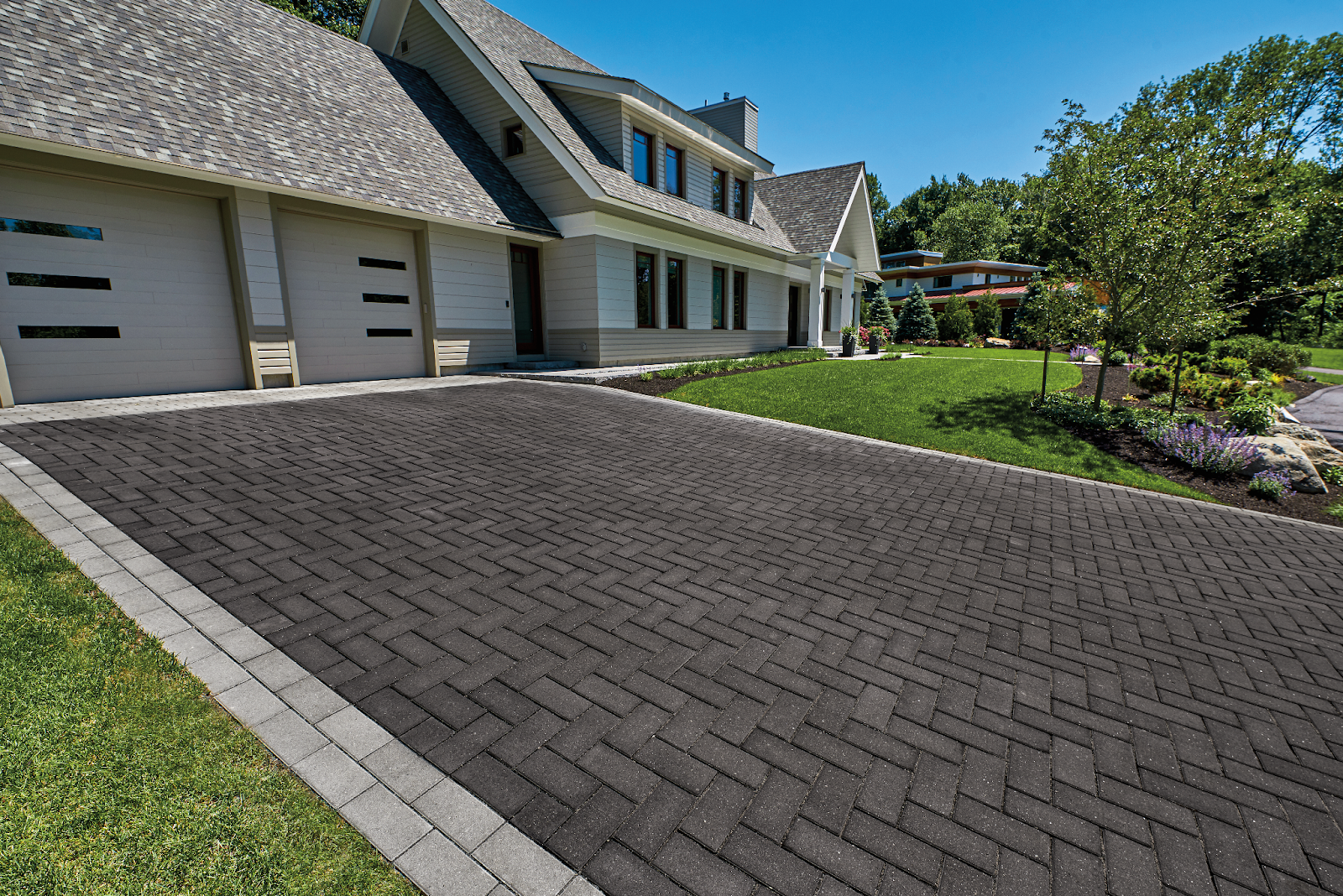
The first hardscape element most people notice is the driveway. A properly constructed driveway enhances curb appeal while providing a durable, low-maintenance entry point to your home.
Concrete pavers are a popular driveway choice, combining versatile design and visual appeal with the strength needed to handle vehicle loads, ensuring lasting beauty and durability.
Additionally, paver driveways can be designed with integrated heating systems to reduce snow and ice accumulation, easing winter maintenance while minimizing surface wear and tear.
Outdoor Kitchens
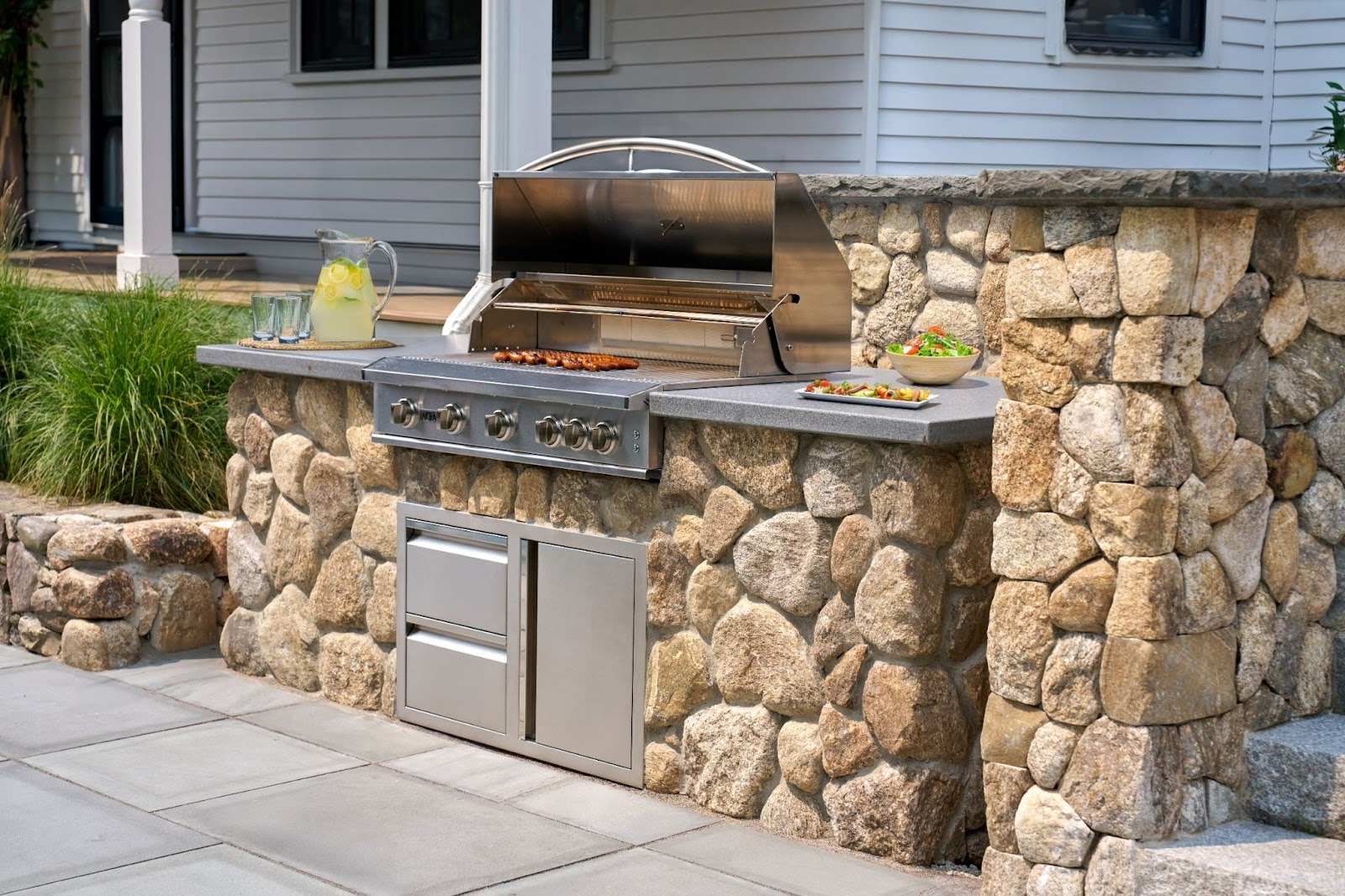
Outdoor kitchens are impactful hardscape elements that elevate outdoor living by adding year-round functionality and distinct architectural character.
An outdoor kitchen expands your living space beyond the interior walls of your home, creating a dedicated area for cooking, dining and entertaining. It encourages social interaction and enhances the overall hosting experience, making everyday meals and special gatherings more engaging.
Fire Features
Fire features further enrich outdoor environments by introducing warmth, ambiance and a natural focal point.
Whether you choose a fire pit or fireplace, these elements create an inviting gathering space and extend the usability of your outdoor area into cooler evenings and transitional seasons.
Hardscaping Materials
The materials you select for your hardscaping significantly influence the overall aesthetic, tactile experience and long-term durability of the space.
The most commonly used materials include natural stone, poured concrete, brick and manufactured concrete pavers — each offering distinct performance characteristics, design flexibility and maintenance considerations.
- Natural Stone: Timeless and unique, with options like granite, bluestone, fieldstone and flagstone. Ideal for patios, walls and walkways.
- Poured Concrete: Durable and cost-effective, offering a clean, modern look. Can be finished in various textures and may be enhanced with stamping or staining.
- Concrete Pavers: Highly versatile and design-flexible, available in a wide range of colors, shapes and textures. Often slip-resistant, with options that resist stains and support permeable systems for stormwater management.
- Brick: Classic and enduring, known for its rich color and traditional appeal. Performs well in walkways and patios, with strong resistance to wear over time.
The right material selection enhances both the functionality and visual harmony of your outdoor design.
Enhance Your Hardscaping with Ideal Block
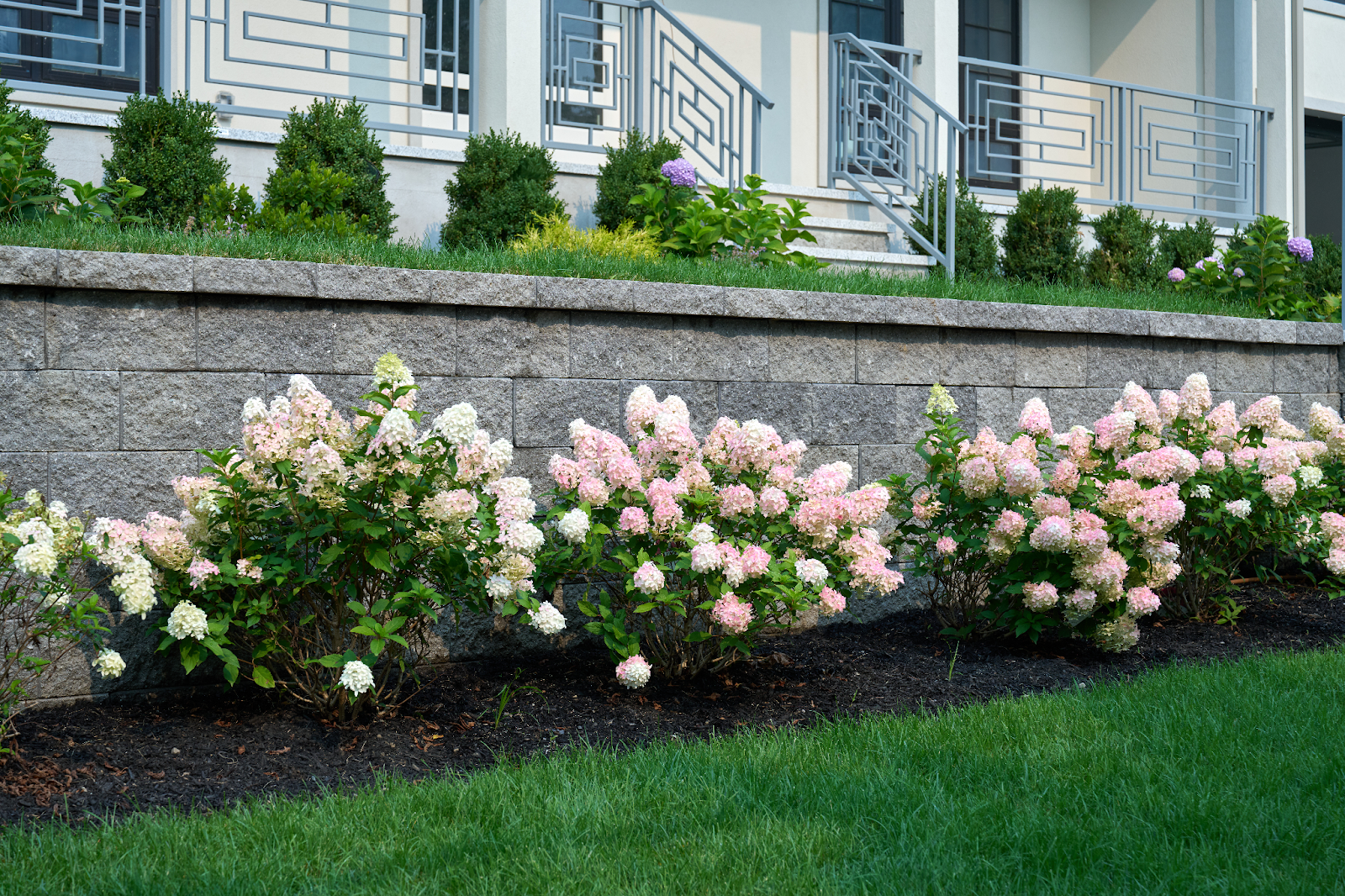
Hardscaping forms the structural foundation of a well-executed outdoor design.
Whether you’re creating a peaceful patio retreat, an inviting garden pathway, a retaining wall that maximizes usable space or a fully equipped outdoor kitchen for hosting family gatherings, these elements seamlessly combine performance with visual impact to elevate the overall environment.
Ideal Block offers a versatile product portfolio designed to bring your outdoor vision to life. Manufacturing concrete products since 1923, Ideal Block began producing concrete paving stones in 1975 and were among the first in North America to do so, establishing a legacy rooted in innovation, durability and craftsmanship.
Ideal Block’s durable materials and versatile styles allow you to create an outdoor space that looks beautiful, functions seamlessly and lasts for decades.
Ready to transform your outdoor living space? Contact Ideal Block today to get started.